Unveiling the Dark Shadow: Women’s Rights Abuse in Nigeria’s Widowhood Practices

Nigeria is a country blessed with so many rich customs and traditions, but like everything on this planet, there are bad sides to it, especially in some places where widows are forced to do some forms of barbaric rituals and activities which are not hygienic or unwholesomely bad in general. My name is Oshioke Imuekemhe, a human rights activist, and I have been hearing of customs that tend to abuse a woman’s right. But recently, I heard of the case which happened in Atani, in Anambra state, and that’s what pushed me to write this blog.

This blog aims to shed light on the harrowing incident that occurred in the Atani community of Anambra state and the urgent need for change. This topic has recently been discussed in my Catholic doctrine class, further emphasizing the significance of addressing this issue from a human rights perspective.
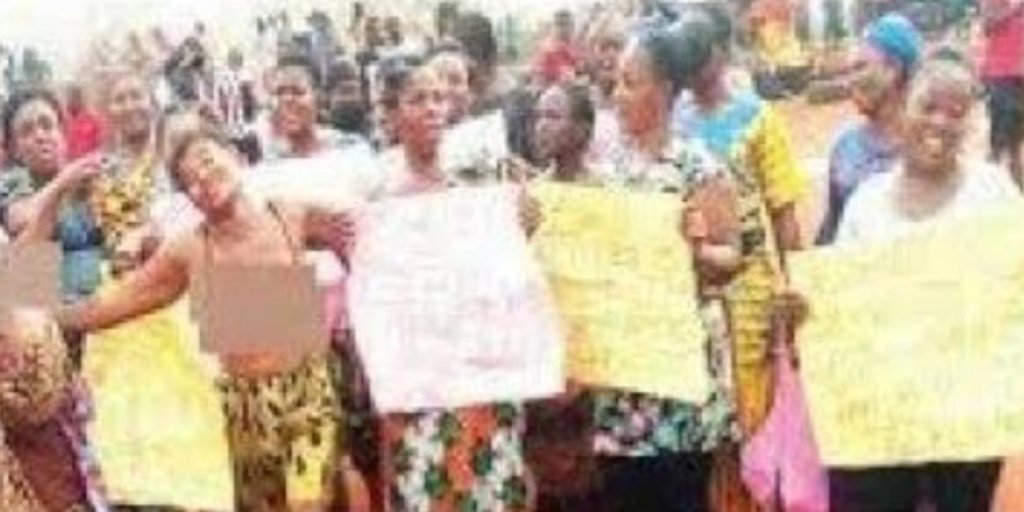


Atani women with Placards

The Widowhood Practice: A Cultural Quagmire

The practice of widowhood rites in Nigeria is deeply rooted in tradition and varies across ethnic groups. However, certain common activities/ factors exist, such as the notion that a widow is impure and requires purification rituals to cleanse her of perceived spiritual contamination. These rituals often involve degrading acts that infringe upon the basic human rights and dignity of women.

Atani’s Disturbing Incident

The Atani community in Anambra state recently made headlines due to a distressing incident that showcased the severe abuse suffered by widows. In this particular case, a grieving widow was forced to drink water that was alleged to have been used to wash her late husband’s corpse. The symbolism behind this act is profoundly disturbing, as it suggests that the widow bears responsibility for her husband’s death and needs purification.

Impact on Women’s Rights

The abusive practices inflicted upon widows like the incident in Atani highlight the flagrant violation of women’s rights in Nigeria. Widows are often subjected to physical, emotional, and psychological abuse, denied access to property and inheritance, and even forced into levirate marriages, where they are compelled to marry a relative of their late husband against their will. These practices perpetuate a cycle of discrimination, disempowerment, and marginalization, leaving women vulnerable and voiceless in their society.

The Role of Education and Religious Institutions

It is encouraging to note that this issue has been discussed in my Catholic doctrine class, indicating that education and religious institutions are recognizing the importance of addressing such violations of human rights. Religious teachings can play a significant role in shaping attitudes and fostering a sense of social responsibility. It is vital for religious leaders to condemn these abusive practices and promote gender equality, respect, and justice within their congregations and communities.

The Call for Change

The abuse of women’s rights in widowhood practices demands urgent attention and action. Civil society organizations, human rights activists, and governmental bodies need to collaborate to enact and enforce legislation that protects widows from discrimination and abuse. Awareness campaigns and educational programs should also be implemented and organized to challenge deep-rooted cultural norms and traditions that perpetuate these harmful practices.

Empowering Widows: A Path Towards Progress

The empowerment of widows is crucial to break the cycle of abuse and ensure their rights are protected. Initiatives that provide vocational training, access to microfinance, and legal aid can equip widows with the necessary tools to become self-reliant, assertive individuals who can challenge societal norms. Additionally, fostering a supportive community environment that promotes inclusivity and empathy can be instrumental in restoring the dignity and rights of widows.
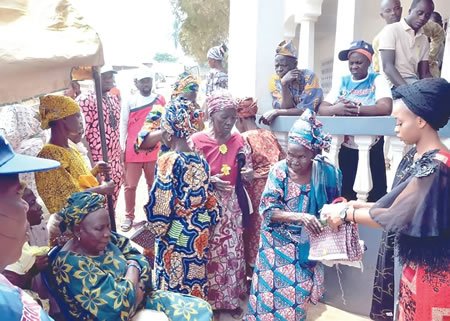
The incident in the Atani community serves as a stark reminder of the systemic abuse suffered by widows in Nigeria and the urgent need for change. It is essential to raise awareness about these issues and demand action from both governmental and societal institutions. By addressing the abuse of women’s rights in widowhood practices, Nigeria can take a significant step towards gender equality, social justice, and a more inclusive society. As individuals, we must challenge harmful cultural practices and support organizations working tirelessly to protect the rights and well-being of widows.
I urge all civil society groups to rise up to this challenge and combat it! The government should create or draft up laws that will help stop this, while working with traditional leaders.

To all young people like me, we see this many times on our television sets, but we don’t know or aren’t well informed about it.

But people like Yul Edochie, Ebelle Okaro, and all other actors we see on our television sets acting are using it to tell a true story. I urge us all to stand up to the task and fight these societal problems.

Greetings, subscribers! Get ready for more exciting updates on political reforms next week. Stay tuned as Oshioke Imuekemhe brings you insightful information, thought-provoking analysis, and inspiring stories that shape our ever-evolving political landscape. Don’t miss out on staying informed and engaged. See you next week!😊
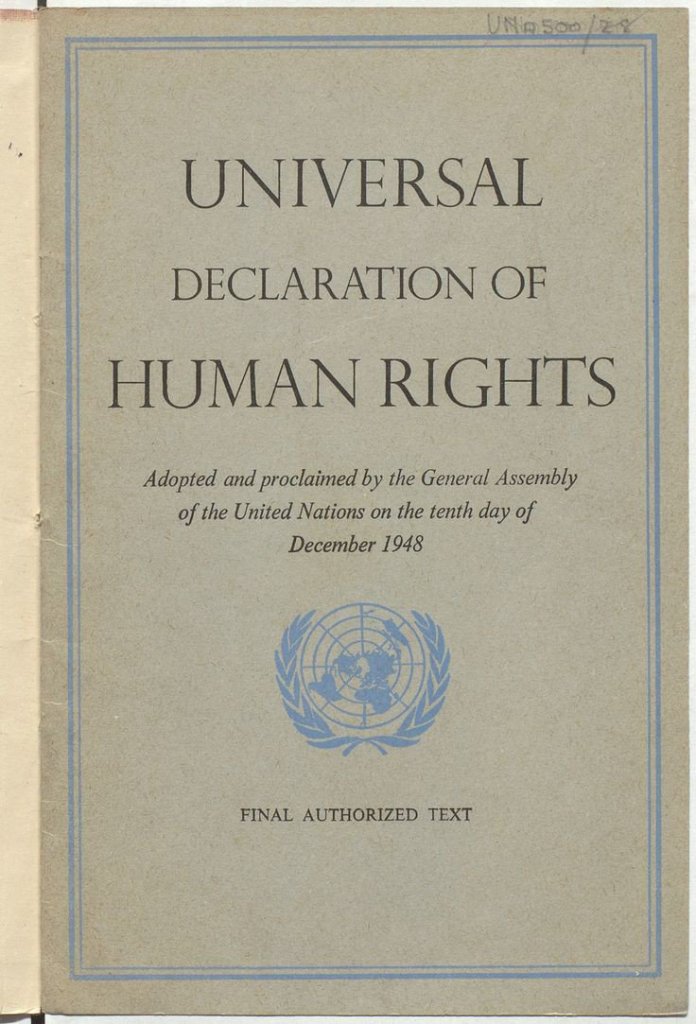
THE UDHR (It’s Articles)

The Universal Declaration of Human Rights (UDHR) is a milestone document in the history of human rights. It consists of 30 articles that outline the fundamental rights and freedoms to which all individuals are entitled. Here is an explanation of the different articles of the UDHR:

Article 1: All human beings are born free and equal in dignity and rights. They are endowed with reason and conscience and should act towards one another in a spirit of brotherhood.

Article 2: Everyone is entitled to all the rights and freedoms set forth in the Declaration, without distinction of any kind, such as race, color, sex, language, religion, political or other opinion, national or social origin, property, birth, or other status.

Articles 3-21: These articles cover various civil and political rights, including the right to life, liberty, and security; freedom from torture, slavery, and arbitrary arrest; the right to a fair trial; and freedom of thought, expression, assembly, and religion.

Articles 22-27: These articles focus on economic, social, and cultural rights. They include the right to social security, work, just and favorable conditions of work, education, and participation in cultural life.

Article 28: Everyone is entitled to a social and international order in which the rights and freedoms set forth in the Declaration can be fully realized.

Article 29: Individuals have duties to the community, and the exercise of rights and freedoms should be subject to certain limitations to ensure respect for the rights and freedoms of others, public order, and the general welfare in a democratic society.

Article 30: Nothing in the Declaration can be interpreted as granting any state, group, or individual the right to engage in any activity or perform any act aimed at the destruction of any rights and freedoms outlined in the Declaration.

These articles collectively emphasize the inherent dignity and equality of all human beings, regardless of their background or status. The UDHR serves as a guiding document for the promotion and protection of human rights worldwide, providing a framework for governments, organizations, and individuals to strive towards a more just and inclusive society.

AFRICAN CHANGE MAKERS/LEGENDS

While it is challenging to list all African leaders who have made an impact, I can provide a few examples of individuals who may not have received widespread recognition but have made notable contributions in their respective domains:

Note: this blog post is to promote African heroism amongst the younger generation.

1. Wangari Maathai (Kenya): Environmentalist and political activist who founded the Green Belt Movement, promoting environmental conservation and women’s rights.

2. Ellen Johnson Sirleaf (Liberia): The first female President in Africa, she played a crucial role in rebuilding Liberia after the civil war and promoting gender equality.

3. Thomas Sankara (Burkina Faso): Former President who implemented progressive policies focused on social justice, women’s empowerment, and self-sufficiency.

4. Julius Nyerere (Tanzania): Tanzania’s first President, who advocated for socialism, rural development, and education.

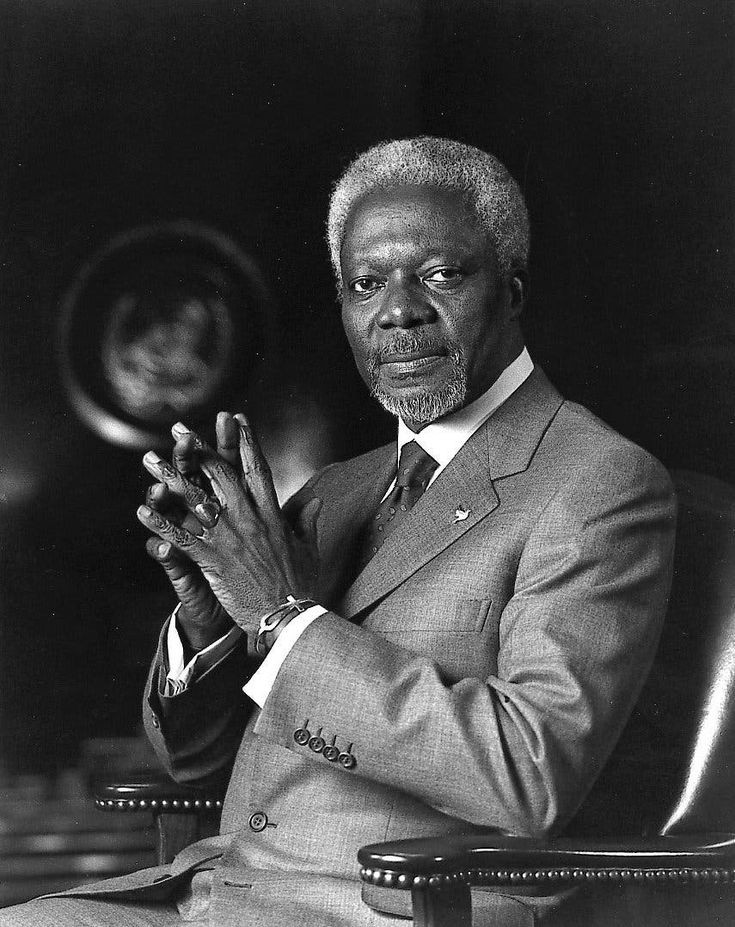
5. Kofi Annan (Ghana): Former Secretary-General of the United Nations, who played a vital role in global diplomacy and conflict resolution, particularly in Africa.

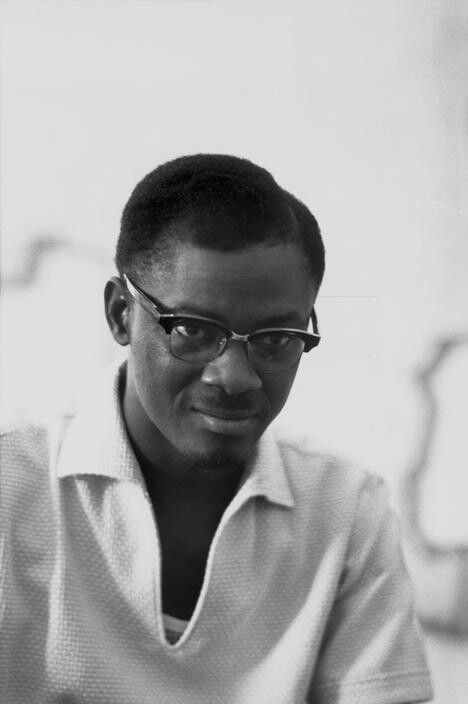
6. Patrice Lumumba (Democratic Republic of Congo): A key figure in the Congolese independence movement, his leadership was cut short, but his legacy continues to inspire.

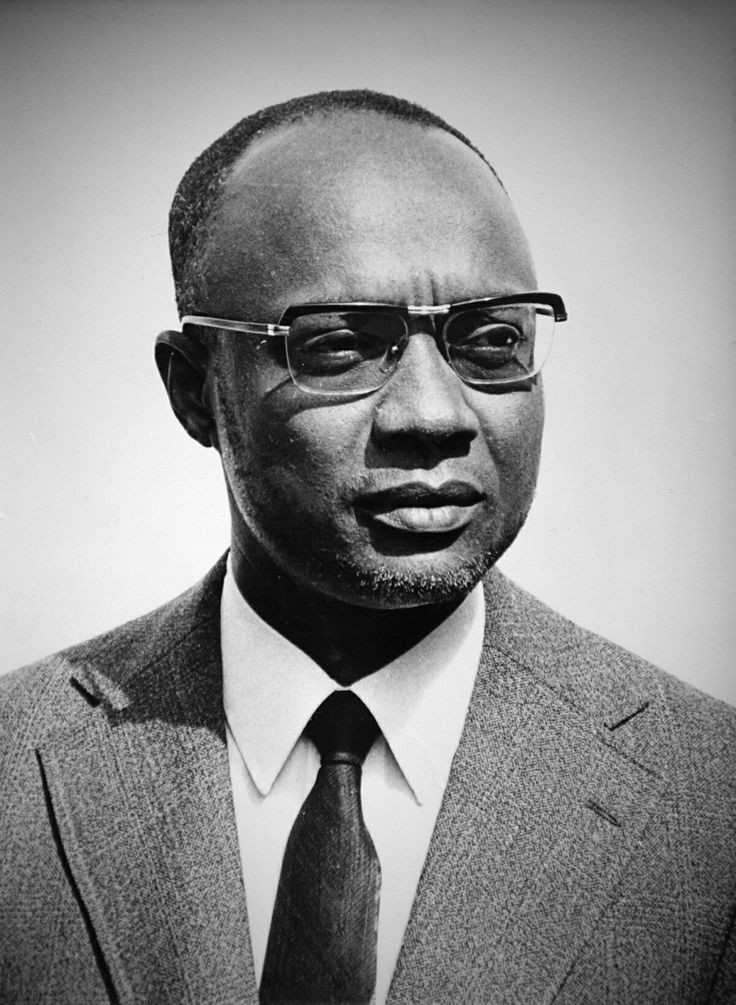
7. Amílcar Cabral (Guinea-Bissau and Cape Verde): Leader of the independence movements in Guinea-Bissau and Cape Verde, he fought for the liberation of Portuguese colonies in Africa.

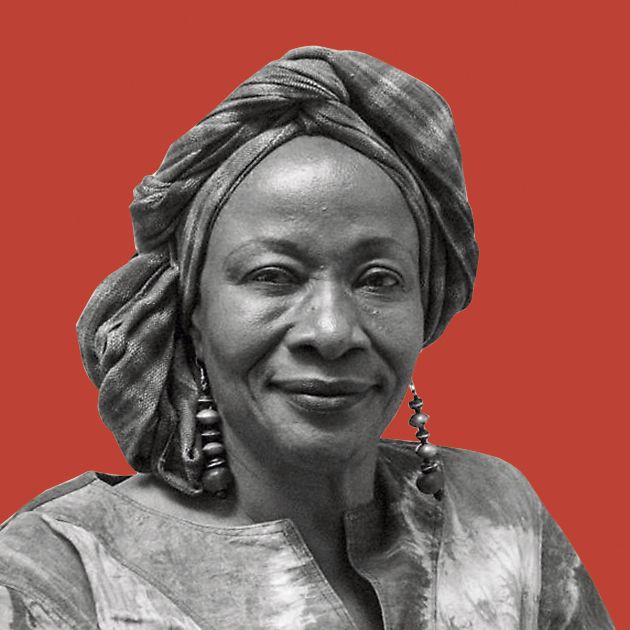
8. Aminata Traoré (Mali): Writer, activist, and former Minister of Culture in Mali, known for her advocacy for African cultural independence and economic justice.

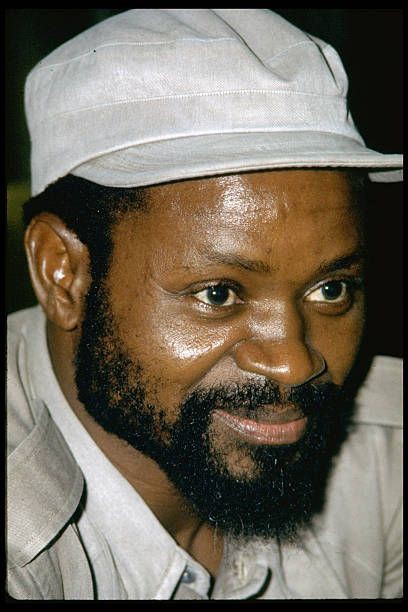
9. Samora Machel (Mozambique): The first President of independent Mozambique, who led the country through the struggle against Portuguese colonial rule and later implemented socialist policies.

These are just a few examples, and there are numerous other African leaders who may not have received widespread recognition but have made significant impacts in their respective countries and beyond.

CORRUPTION

Corruption by Oshioke Imuekemhe


Stanza 1


In shadows deep, where darkness creeps,
A tale of treachery, corruption seeps.
A poison that taints the noblest hearts,
A symphony of deceit, where virtue departs.


Stanza 2
Once, a land adorned with golden hue,
Now marred by a web of lies and rue.
Where power’s allure spreads its wings,
And greed’s insatiable hunger sings.
Stanza3
In halls of power, the wicked conspire,
Their whispers carry a venomous fire.
With twisted tongues and cunning smiles,
They sow the seeds of deceit in miles.
Stanza4
They dance with impunity, this wicked breed,
Feeding on innocence with every misdeed.
They wear masks of charm, deceptive guise,
While plotting their schemes, their evil lies.
Stanza 5
From boardrooms to streets, corruption flows,
A festering wound, society’s dire throes.
The righteous suffer, their voices suppressed,
As corruption’s tendrils tighten their oppressive chest.
Stanza 6
Justice weeps, her scales unbalanced,
Truth suppressed, righteousness silenced.
The needy suffer, their dreams denied,
While the corrupt thrive, their wealth multiplied.
Stanza 6
But fear not, for hope remains,
In the hearts that resist, where strength sustains.
For a flame of truth can never be snuffed,
In the face of corruption, it rises rebuffed.
Stanza 7
Let voices unite, like a thunderous storm,
Against the corrupt, a unified swarm.
Expose their wickedness, demand retribution,
Restore honor’s throne, dispel the illusion.
Stanza 8
For corruption’s grip may seem unyielding,
But united we stand, our spirits unswerving.
In the battle for justice, we shall prevail,
And corruption’s empire, we shall impale.
Stanza 9
So let this poem be a rallying cry,
To fight corruption, let our spirits fly.
With courage and integrity, we’ll ignite the flame,
And reclaim our world from corruption’s shame.


History/Achievements of Vladimir Putin

Putin’s History & Achievements


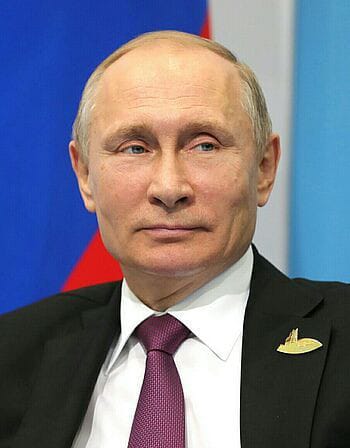
Vladimir Putin, born on October 7, 1952, is a Russian politician who served as the President of Russia from 1999 to 2008, and again from 2012 to 2024. During his time in office, Putin made significant contributions to Russian politics and implemented various policies that shaped the country’s domestic and foreign affairs. Here are some of his notable achievements and key moments in his political career:

Presidency (1999-2008): Putin initially assumed the role of acting President of Russia in 1999 after the resignation of Boris Yeltsin. He was elected as President in 2000 and reelected in 2004. His presidency was marked by economic reforms, efforts to stabilize the country, and consolidation of power.

Economic Growth: Under Putin’s leadership, Russia experienced significant economic growth during the 2000s. The country’s GDP grew consistently, fueled by rising oil prices and economic reforms. Putin implemented policies aimed at boosting investment, reducing poverty rates, and improving the business climate.

Chechen Conflict: Putin took a tough stance on the Chechen conflict, which had been ongoing since the 1990s. He initiated the Second Chechen War in 1999 and implemented a military campaign aimed at suppressing the insurgency. This approach was controversial and faced criticism from human rights organizations for alleged human rights abuses.

Consolidation of Power: Putin centralized power during his presidency by bringing key sectors of the economy under state control and reducing the influence of oligarchs. He also increased the power of the presidency and weakened other political institutions, leading to concerns about the erosion of democracy and civil liberties.

Foreign Policy: Putin pursued an assertive foreign policy during his presidency. He sought to reestablish Russia as a major global player and protect its interests in the post-Soviet space. Notable actions included the conflict with Georgia in 2008, the annexation of Crimea in 2014, and Russia’s intervention in the Syrian Civil War starting in 2015.

Stabilization and Debt Reduction: Putin managed to stabilize the Russian economy and reduce its foreign debt during his tenure. He implemented economic reforms, paid off outstanding debts, and accumulated substantial foreign currency reserves, making Russia less vulnerable to economic shocks.

Return to Presidency (2012-2024): After serving as Prime Minister from 2008 to 2012, Putin was elected as President again in 2012. He won a fourth term in 2018, which extended his presidency until 2024. This period saw further consolidation of power and controversial changes to the Russian constitution, including the removal of term limits, allowing Putin to potentially remain in power beyond 2024.

It’s important to note that opinions on Putin’s legacy are divided. While some admire his leadership and credit him for stabilizing the country and restoring Russia’s international influence, others criticize his approach to democracy, human rights, and the concentration of power in the hands of the state. The perception of Putin’s achievements and impact can vary depending on one’s politics