Nigeria is a country blessed with so many rich customs and traditions, but like everything on this planet, there are bad sides to it, especially in some places where widows are forced to do some forms of barbaric rituals and activities which are not hygienic or unwholesomely bad in general. My name is Oshioke Imuekemhe, a human rights activist, and I have been hearing of customs that tend to abuse a woman’s right. But recently, I heard of the case which happened in Atani, in Anambra state, and that’s what pushed me to write this blog.
This blog aims to shed light on the harrowing incident that occurred in the Atani community of Anambra state and the urgent need for change. This topic has recently been discussed in my Catholic doctrine class, further emphasizing the significance of addressing this issue from a human rights perspective.
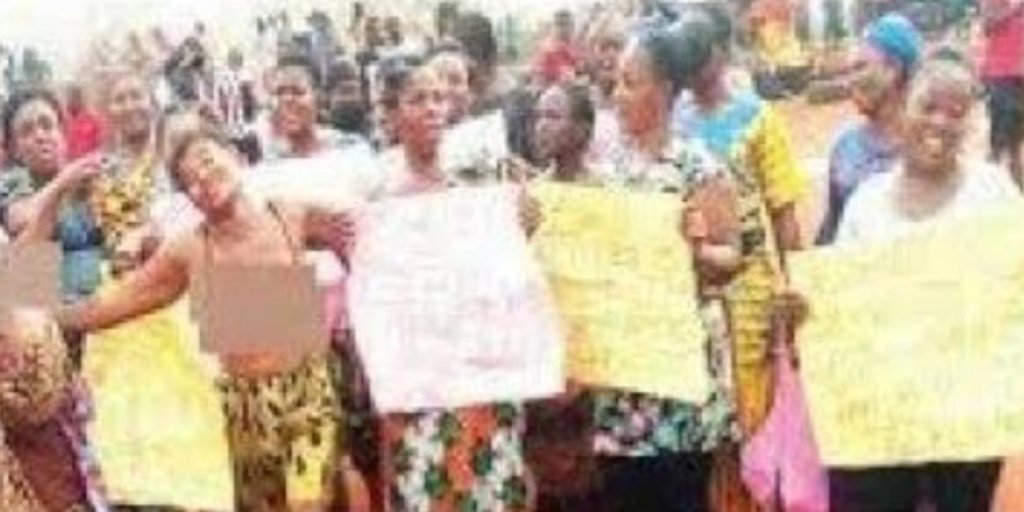
The Widowhood Practice: A Cultural Quagmire
The practice of widowhood rites in Nigeria is deeply rooted in tradition and varies across ethnic groups. However, certain common activities/ factors exist, such as the notion that a widow is impure and requires purification rituals to cleanse her of perceived spiritual contamination. These rituals often involve degrading acts that infringe upon the basic human rights and dignity of women.
Atani’s Disturbing Incident
The Atani community in Anambra state recently made headlines due to a distressing incident that showcased the severe abuse suffered by widows. In this particular case, a grieving widow was forced to drink water that was alleged to have been used to wash her late husband’s corpse. The symbolism behind this act is profoundly disturbing, as it suggests that the widow bears responsibility for her husband’s death and needs purification.
Impact on Women’s Rights
The abusive practices inflicted upon widows like the incident in Atani highlight the flagrant violation of women’s rights in Nigeria. Widows are often subjected to physical, emotional, and psychological abuse, denied access to property and inheritance, and even forced into levirate marriages, where they are compelled to marry a relative of their late husband against their will. These practices perpetuate a cycle of discrimination, disempowerment, and marginalization, leaving women vulnerable and voiceless in their society.
The Role of Education and Religious Institutions
It is encouraging to note that this issue has been discussed in my Catholic doctrine class, indicating that education and religious institutions are recognizing the importance of addressing such violations of human rights. Religious teachings can play a significant role in shaping attitudes and fostering a sense of social responsibility. It is vital for religious leaders to condemn these abusive practices and promote gender equality, respect, and justice within their congregations and communities.
The Call for Change
The abuse of women’s rights in widowhood practices demands urgent attention and action. Civil society organizations, human rights activists, and governmental bodies need to collaborate to enact and enforce legislation that protects widows from discrimination and abuse. Awareness campaigns and educational programs should also be implemented and organized to challenge deep-rooted cultural norms and traditions that perpetuate these harmful practices.
Empowering Widows: A Path Towards Progress
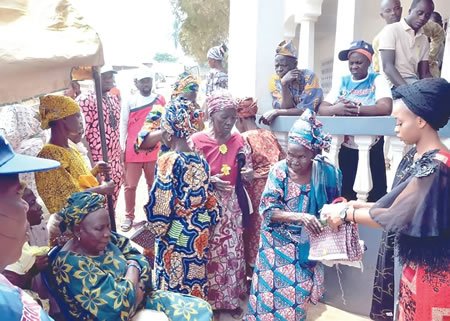
The empowerment of widows is crucial to break the cycle of abuse and ensure their rights are protected. Initiatives that provide vocational training, access to microfinance, and legal aid can equip widows with the necessary tools to become self-reliant, assertive individuals who can challenge societal norms. Additionally, fostering a supportive community environment that promotes inclusivity and empathy can be instrumental in restoring the dignity and rights of widows.
The incident in the Atani community serves as a stark reminder of the systemic abuse suffered by widows in Nigeria and the urgent need for change. It is essential to raise awareness about these issues and demand action from both governmental and societal institutions. By addressing the abuse of women’s rights in widowhood practices, Nigeria can take a significant step towards gender equality, social justice, and a more inclusive society. As individuals, we must challenge harmful cultural practices and support organizations working tirelessly to protect the rights and well-being of widows.
I urge all civil society groups to rise up to this challenge and combat it! The government should create or draft up laws that will help stop this, while working with traditional leaders.
To all young people like me, we see this many times on our television sets, but we don’t know or aren’t well informed about it.
But people like Yul Edochie, Ebelle Okaro, and all other actors we see on our television sets acting are using it to tell a true story. I urge us all to stand up to the task and fight these societal problems.
Greetings, subscribers! Get ready for more exciting updates on political reforms next week. Stay tuned as Oshioke Imuekemhe brings you insightful information, thought-provoking analysis, and inspiring stories that shape our ever-evolving political landscape. Don’t miss out on staying informed and engaged. See you next week!😊

 POLITICAL REFORMER