Putin’s History & Achievements
Vladimir Putin, born on October 7, 1952, is a Russian politician who served as the President of Russia from 1999 to 2008, and again from 2012 to 2024. During his time in office, Putin made significant contributions to Russian politics and implemented various policies that shaped the country’s domestic and foreign affairs. Here are some of his notable achievements and key moments in his political career:
Presidency (1999-2008): Putin initially assumed the role of acting President of Russia in 1999 after the resignation of Boris Yeltsin. He was elected as President in 2000 and reelected in 2004. His presidency was marked by economic reforms, efforts to stabilize the country, and consolidation of power.
Economic Growth: Under Putin’s leadership, Russia experienced significant economic growth during the 2000s. The country’s GDP grew consistently, fueled by rising oil prices and economic reforms. Putin implemented policies aimed at boosting investment, reducing poverty rates, and improving the business climate.
Chechen Conflict: Putin took a tough stance on the Chechen conflict, which had been ongoing since the 1990s. He initiated the Second Chechen War in 1999 and implemented a military campaign aimed at suppressing the insurgency. This approach was controversial and faced criticism from human rights organizations for alleged human rights abuses.
Consolidation of Power: Putin centralized power during his presidency by bringing key sectors of the economy under state control and reducing the influence of oligarchs. He also increased the power of the presidency and weakened other political institutions, leading to concerns about the erosion of democracy and civil liberties.
Foreign Policy: Putin pursued an assertive foreign policy during his presidency. He sought to reestablish Russia as a major global player and protect its interests in the post-Soviet space. Notable actions included the conflict with Georgia in 2008, the annexation of Crimea in 2014, and Russia’s intervention in the Syrian Civil War starting in 2015.
Stabilization and Debt Reduction: Putin managed to stabilize the Russian economy and reduce its foreign debt during his tenure. He implemented economic reforms, paid off outstanding debts, and accumulated substantial foreign currency reserves, making Russia less vulnerable to economic shocks.
Return to Presidency (2012-2024): After serving as Prime Minister from 2008 to 2012, Putin was elected as President again in 2012. He won a fourth term in 2018, which extended his presidency until 2024. This period saw further consolidation of power and controversial changes to the Russian constitution, including the removal of term limits, allowing Putin to potentially remain in power beyond 2024.
It’s important to note that opinions on Putin’s legacy are divided. While some admire his leadership and credit him for stabilizing the country and restoring Russia’s international influence, others criticize his approach to democracy, human rights, and the concentration of power in the hands of the state. The perception of Putin’s achievements and impact can vary depending on one’s politics
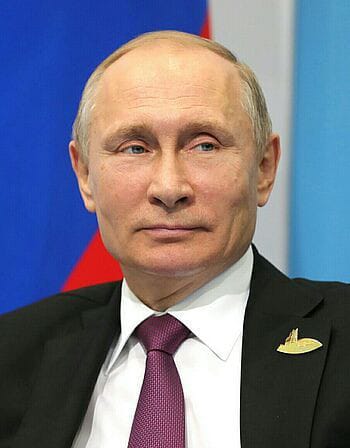


 POLITICAL REFORMER